
Jet Castilian
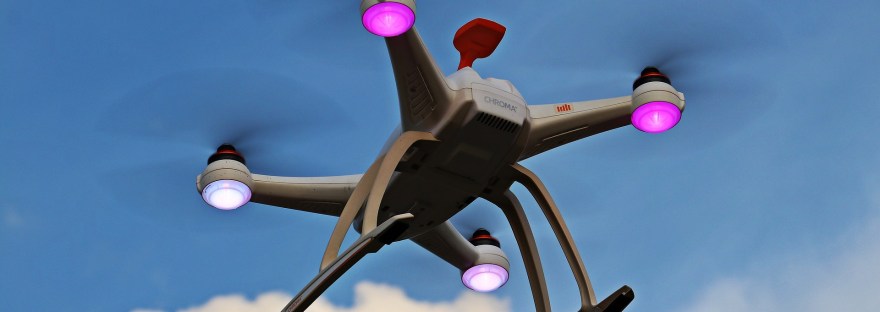
(As usual, the image is just to spark your imagination. I can’t show the real ones.)
I wanted to do a little post here on Earth’s aircars compared to New Gaia’s air pods. On Earth, our slidewalks and turbolifts are so efficient and so ubiquitous that most people don’t pay much attention to aircars. I think that includes engineers, because honestly our aircars aren’t that great, especially once you’ve seen what can be done with air pods like on New Gaia. But aircars still work.
The basic principal of an aircar is forced air. There are big fans on the bottom that pull air down through intakes around the roof and push it downward hard enough to keep the car in the air. It ends up that you need a lot of fan area, which is why aircars have that kind of bulky skirt around the bottom that makes them look overweight. They always design the intakes too small, so the air coming down through is moving really fast and makes a lot of noise inside the cabin. Maneuvering is all done with flaps around the fan skirt, which works okay but isn’t always predictable when there’s turbulence or tight quarters.
The air pods they use on New Gaia are a more modern design. They have four rotors overhead, enclosed in maneuverable rings. The rotors are the same idea as aircar fans in that they push air downward, but the rotors have much greater area (they’re almost twice as big around), so they don’t have to push the air as fast and they’re a lot quieter. And of course the maneuvering rings give you a lot of fine control. I also like the cabins, which are almost entirely clear polyglass so they have a nice, open feel and good visibility. Aircars, especially the ones we use for taxis, are more closed in and have a heavier feel.
Why is there a space between “air” and “pod” and no space in “aircar”? I’m not really sure. I think it’s because aircars are older and spelling has had time to settle in.
 DOUG WALKER WRITES